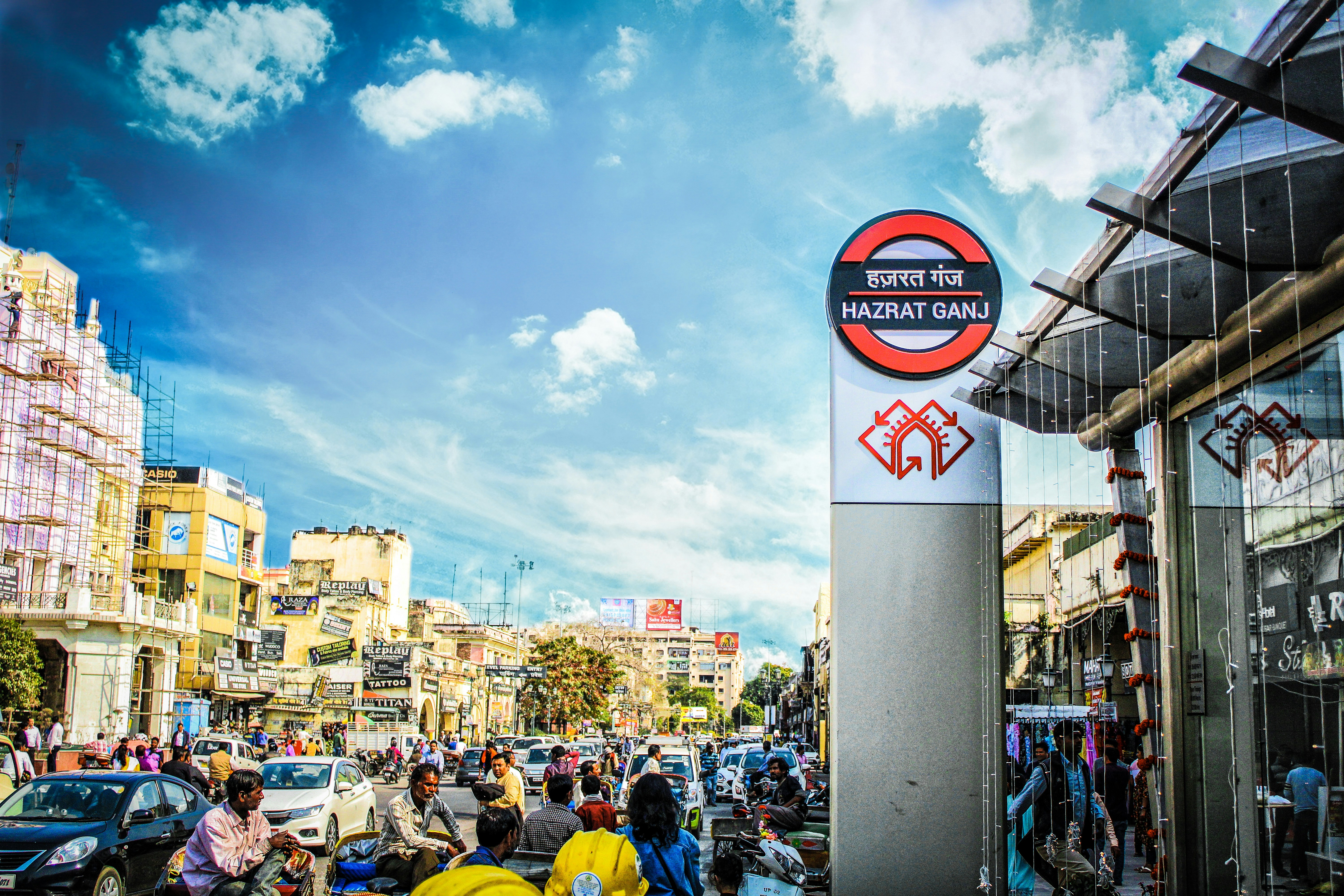
Introduction to Smart City Initiatives
The concept of smart cities represents a progressive approach to urban development, emphasizing the importance of integrating technology and innovation into city planning and management. In an era where rapid urbanization poses significant challenges, the Smart City Mission launched by the Indian government aims to tackle these issues head-on by fostering enhanced urban infrastructure, increasing overall quality of life, and promoting sustainable growth within cities.
At the core of the Smart City Mission is the understanding that cities are not only centers of economic activity but also hubs of social and cultural interaction. To capitalize on urban potential, there is a pressing need for smart solutions that can effectively address challenges such as traffic congestion, pollution, and inefficient public services. Through a strategic framework, the initiative seeks to enhance essential services—such as energy, water supply, waste management, and transportation—thereby transforming urban living environments into more resilient and citizen-centric spaces.
The emphasis on sustainable growth and innovation aligns with the vision laid out by the Bharatiya Janata Party (BJP) in Uttar Pradesh. Their commitment to the Smart City Program reflects a proactive stance towards modernizing urban spaces through innovative planning and the deployment of cutting-edge technologies. With an aim to create urban areas that are not only functional but also livable, the BJP has prioritized inclusive development strategies that focus on the needs of urban residents.
By integrating intelligent solutions into the very fabric of urban planning, Uttar Pradesh’s Smart City Program represents a significant step towards creating a future-ready urban landscape. This initiative, through its comprehensive approach, aims to not only enhance infrastructure but also ensure that the quality of life for its citizens is markedly improved, setting the stage for robust urban ecosystems that thrive sustainably.
Key Features of the Smart City Program in Uttar Pradesh
The Smart City Program in Uttar Pradesh, initiated by the Bharatiya Janata Party (BJP), is an ambitious initiative aimed at fostering urban development through innovative solutions and technology integration. A pivotal aspect of this program is the establishment of Integrated Command and Control Centers (ICCCs). These centers serve as the nerve center for monitoring and managing urban services, ensuring a responsive governance system. By centralizing various data streams, the ICCCs enhance decision-making processes to address urban challenges more effectively.
Another essential feature of the program is the enhancement of transport infrastructure through smart transportation systems. This includes the integration of real-time data analytics to optimize traffic management, reduce congestion, and improve public transport accessibility. Smart traffic signals and GPS-enabled public transportation are pivotal components of this system. These innovations not only facilitate smooth commuting but also significantly contribute to reducing emissions and promoting sustainable urban mobility.
Energy efficiency is a key focus of the Smart City Program, with the development of energy-efficient buildings at its core. These structures are designed to reduce energy consumption through advanced technologies such as smart meters and energy management systems. By leveraging innovative architectural designs and sustainable materials, the program aims to create environmentally friendly urban spaces that promote a higher quality of life.
Sustainable waste management solutions are also an integral part of the initiative. The program emphasizes effective waste segregation and treatment through the use of smart bins equipped with sensors that monitor waste levels and optimize collection schedules. This technology not only enhances operational efficiency but also encourages responsible waste disposal practices among citizens.
Incorporating the Internet of Things (IoT) and data analytics throughout the Smart City Program allows for real-time monitoring and management of city services. These technological integrations enable city planners to predict urban growth trends, tackle infrastructure deficiencies, and ensure service delivery is both efficient and effective. Ultimately, the key features of the Smart City Program in Uttar Pradesh represent a holistic approach to urban living, combining modern technology with sustainable practices to create smart, resilient cities.
Major Projects and Achievements Under the Program
The Smart City Program in Uttar Pradesh has led to numerous transformative projects that have redefined urban living. Notable successes include advancements in transportation, public safety, and environmental sustainability. Cities such as Agra, Ghaziabad, and Varanasi have been at the forefront of these transformations, illustrating the program’s significant impact.
In Agra, the introduction of smart lighting systems and improved waste management through digitized tracking has markedly enhanced the urban landscape. The city has implemented intelligent traffic management systems that utilize real-time data to alleviate congestion, thereby improving the overall quality of life for residents. Local officials have reported a notable decrease in travel times and an increase in pedestrian safety, attributing these improvements directly to investments made under the Smart City initiative.
Ghaziabad’s approach to enhancing public transport access has also been noteworthy. The development of integrated transport systems, including a revamped metro network and increased bus routes, has ensured greater connectivity. This has encouraged the use of public transport over private vehicles, promoting environmental sustainability. Resident testimonials highlight a newfound ease in commuting, reflecting a positive shift in mobility patterns that benefits all citizens.
Meanwhile, Varanasi has embraced technological innovations in urban infrastructure development. The city has launched smart surveillance systems to enhance public safety while also promoting civic engagement through mobile applications that allow residents to report issues and access city services seamlessly. Feedback from the community indicates a stronger sense of participatory governance, fostering trust between citizens and local authorities.
These projects exemplify how the Smart City Program under the BJP in Uttar Pradesh has not only improved infrastructure but has also enriched everyday life for its citizens. Through collaborative efforts and innovative technologies, the program has demonstrated its potential to address urban challenges effectively and create sustainable urban environments.
Challenges and Future Prospects
The Smart City Program in Uttar Pradesh has faced several challenges since its inception, which have significantly affected its implementation. Chief among these is the issue of funding constraints. While the central government has allocated resources for smart city developments, the available finances often fall short of the actual requirements for large-scale projects. These financial limitations hinder the ability of city authorities to embark on comprehensive initiatives that reflect the ambitious goals set by the program.
Additionally, bureaucratic hurdles represent another significant challenge in the successful rollout of the Smart City Program. The decision-making processes within government agencies can be slow and cumbersome, often causing delays in project execution. Red tape can prevent innovative ideas from being implemented effectively and may lead to frustration among stakeholders attempting to coordinate efforts. Streamlining these processes is essential for enhancing project efficiency and achieving desired outcomes in smart urban development.
Moreover, the need for public-private partnerships (PPPs) cannot be overstated. Collaborative efforts between the government and private sectors are critical for generating the necessary expertise and financial investment in urban projects. Ensuring that businesses are actively involved in the planning and implementation phases will not only drive innovation but also help align city initiatives with market realities. Creating a conducive environment for these partnerships is vital for fostering a robust ecosystem that supports sustainable urban development.
Looking ahead, there is potential for considerable growth in smart urban initiatives in Uttar Pradesh. By addressing current challenges and enhancing collaboration across sectors, the state can further its sustainability goals. Ongoing and future projects, grounded in advanced technology and efficient management practices, promise to transform urban living and contribute to the economic prosperity of the region.