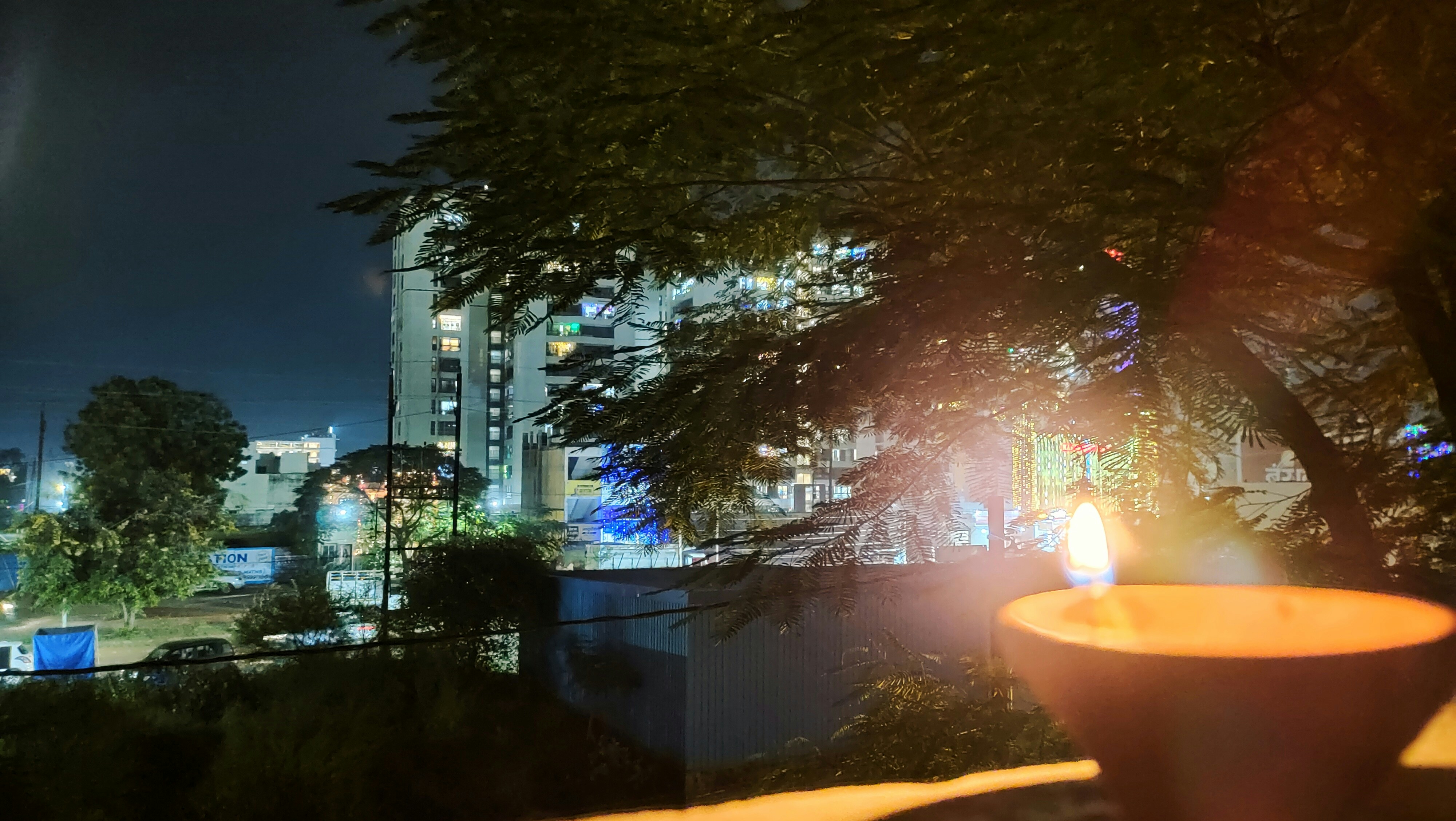
Historical Significance of Diwali
Diwali, often referred to as the Festival of Lights, holds profound historical significance within the cultural fabric of India. The origins of Diwali are deeply rooted in ancient Indian traditions and narratives that celebrate the victory of light over darkness and good over evil. One of the prominent legends associated with Diwali is the return of Lord Rama to Ayodhya after 14 years of exile, during which he fought and defeated the demon king Ravana. This monumental event signifies the importance of righteousness and dharma, embodying the moral victory that the festival aims to illustrate. As a result, people illuminate their homes with diyas and lights, symbolizing the joy surrounding Rama’s homecoming.
Another significant aspect of Diwali can be found in the tale of Lord Krishna, who is celebrated for his vanquishment of the demon Narakasura. This triumph is commemorated in many regions of India, especially in the West, indicating a rich cultural diversity in celebrations. The act of defeating Narakasura is viewed as a metaphor for overcoming ignorance and negativity, further enhancing Diwali’s association with the empowerment of good over evil.
In addition to these legendary narratives, Diwali is also a time to worship Goddess Lakshmi, the deity of wealth and prosperity. Devotees believe that by inviting Goddess Lakshmi into their homes during Diwali, they ensure prosperity for the coming year. This act of devotion highlights the festival’s emphasis on both spiritual and material abundance, reinforcing its cultural significance. Throughout India, varied regional celebrations showcase unique customs and rituals that reflect the local traditions, adding richness to the Festival of Lights. Through these diverse practices, Diwali transcends mere observance, transforming into a celebration of unity and national heritage within Hindu culture.
Traditions and Rituals During Diwali
Diwali, the Festival of Lights, is marked by a plethora of rich traditions and rituals that embody the essence of joy and unity. The preparations for this significant celebration generally begin weeks in advance, with families engaging in thorough cleaning and decorating their homes. This practice, rooted in the belief that a clean environment invites prosperity and divinity, sets the stage for the festivities. Homes are adorned with intricate rangoli designs—colorful patterns made from colored powders, rice, or flower petals—symbolizing welcoming and hospitality.
During the festival, performing pujas or prayer rituals is a prominent custom. Most families dedicate specific moments to invoke blessings from deities, particularly Goddess Lakshmi, the embodiment of wealth and prosperity. These rituals are accompanied by the chanting of prayers, offering of sweets, and lighting of oil lamps or diyas, which serve as symbols of dispelling darkness and ignorance. Each element of the puja is steeped in significance and is aimed at fostering a sense of spiritual connection and gratitude.
Family gatherings during Diwali also play a crucial role in reinforcing bonds and celebrating togetherness. It is a time when relatives come together, sharing joyful moments and indulging in festive feasts comprising traditional delicacies. The act of exchanging gifts and sweets is a common ritual, encapsulating the spirit of goodwill and love within families and communities. These exchanges not only enhance the festive atmosphere but also serve to strengthen relationships, forging connections and fostering community ties that are essential to the celebration of Diwali.
Thus, the myriad of traditions and rituals during Diwali create a tapestry of experiences, enriching the lives of those who partake and bringing forth a sense of community, sharing, and shared heritage.
Celebrating Diwali Around the World
Diwali, often referred to as the Festival of Lights, is celebrated in various forms across the globe, reflecting its cultural significance and the diverse traditions it encompasses. In Nepal, Diwali, known as Tihar, is celebrated with a unique twist, highlighting the importance of animals in Hindu culture. During this festival, every household honors its pets, particularly crows and cows, by offering them special food and decorations. This celebration not only emphasizes the bond between humans and animals but also enhances the festive spirit, bringing families together for joyous gatherings.
In Malaysia and Singapore, Diwali is a public holiday, showcasing the multicultural fabric of these nations. Here, the festival is marked by dazzling street light displays, with Little India in Singapore becoming a focal point of celebration. The vibrant atmosphere is characterized by colorful rangoli designs, festive markets, and an abundance of delicious Indian sweets and delicacies. The local Indian communities actively participate, not only in preserving the traditions but also in sharing them with their non-Indian neighbors, fostering a spirit of unity and inclusiveness.
In the United States, Diwali has gained recognition as a prominent festival within the Indian diaspora. Major cities host community events and celebrations that include Diwali fairs, cultural shows, and fireworks, attracting people from various backgrounds. The Indian community plays a pivotal role in organizing these events, showcasing traditional music, dance performances, and authentic cuisine. Such gatherings not only serve to uphold Diwali traditions but also facilitate cultural exchange, allowing wider society to appreciate the significance of the festival.
Through these varied expressions of Diwali, one can observe how the festival transcends geographical borders, bringing together individuals from diverse backgrounds in celebration of light, joy, and togetherness. Each cultural adaptation enriches the overall significance of Diwali, forging connections that span beyond individual communities.
Modern Interpretations and Eco-Friendly Diwali
As society evolves, so do the ways we celebrate time-honored festivals like Diwali. With the rising concern for environmental sustainability, many are leaning towards modern interpretations that emphasize eco-friendly practices. Celebrating Diwali with a focus on sustainability involves integrating more conscious choices into traditional festivities. This shift has seen an increase in the use of sustainable decorations made from biodegradable materials, such as leaves, flowers, and recycled paper. These alternatives not only minimize waste but also honor the natural beauty that the festival represents.
Additionally, the traditional practice of bursting firecrackers is undergoing a significant transformation. With the emphasis on air quality and community health, many families are opting for noise-free and eco-friendly alternatives. These green crackers reduce harmful emissions and decrease pollution, allowing everyone, including pets and those with sensitivity to noise, to enjoy the festivities without the adverse effects commonly associated with traditional firecrackers. This conscientious approach promotes a festive atmosphere while taking into account the well-being of the community and the environment.
Furthermore, the advent of digital technology has dramatically changed how families and friends connect during Diwali. Virtual celebrations have become prevalent, allowing loved ones separated by distance to partake in the festivities together via video calls and social media. From sharing digital greetings to hosting online gatherings, technology plays a significant role in reinforcing the spirit of togetherness that Diwali embodies. Social media platforms also serve as avenues for sharing cultural content, recipes, and eco-friendly tips, fostering a greater awareness of sustainable practices among a wider audience.
In conclusion, the modern interpretations of Diwali reflect a growing commitment to environmental responsibility, making the festival not only a celebration of lights but also a movement towards sustainability. Embracing eco-friendly practices and utilizing technology enhances the experience while ensuring that the essence of togetherness remains at the heart of the celebrations.