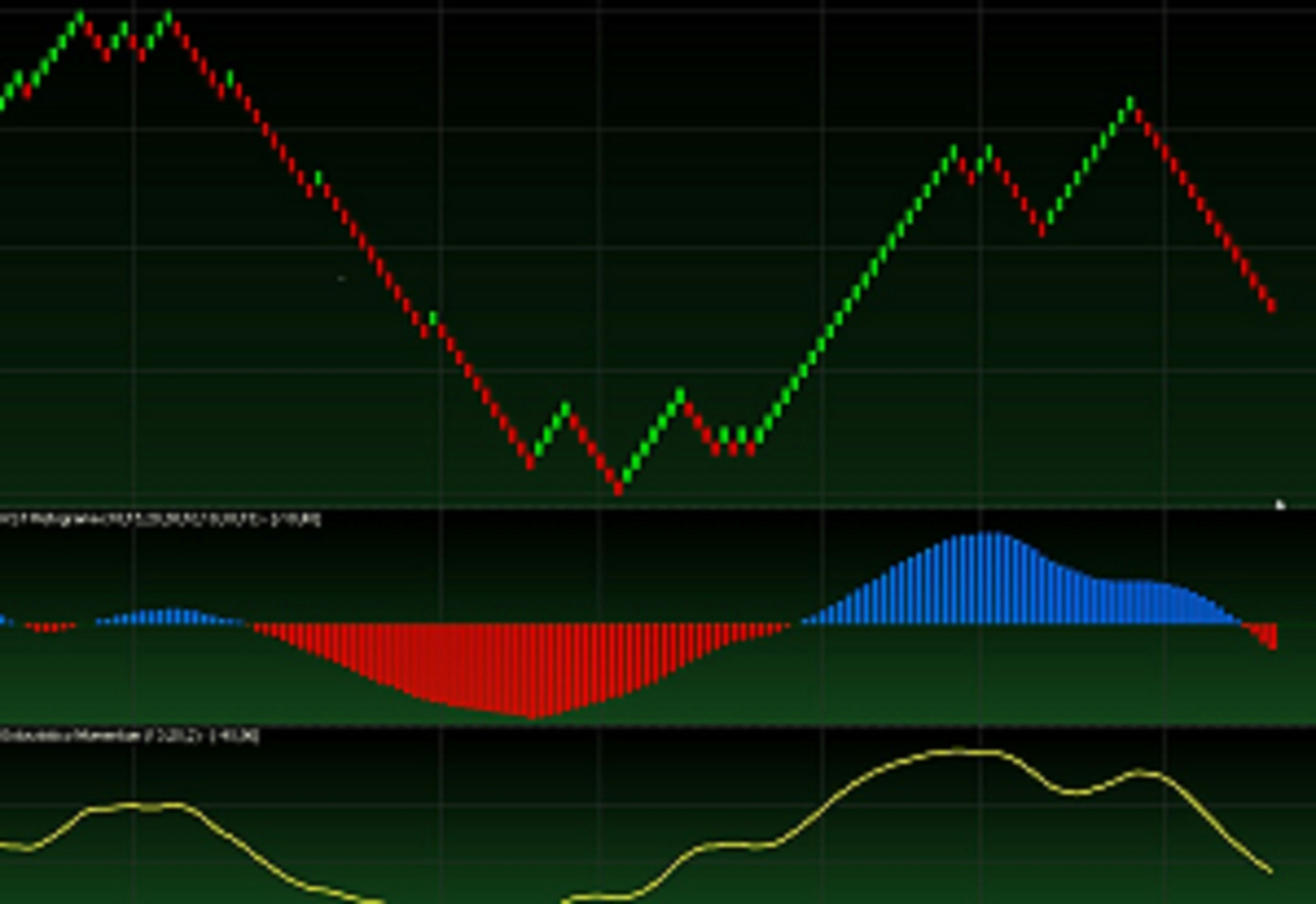
Overview of Today’s Forex Market Movements
Today’s forex market showed notable volatility across several major currency pairs, illustrating the complex dynamics of global finance. The opening rates were impacted by last night’s economic reports, which revealed increasing inflationary pressures in the United States, prompting traders to adjust their positions accordingly. The EUR/USD pair opened at 1.0950, slightly lower compared to yesterday’s closing rate of 1.0975, as the Euro struggled against the strengthened dollar amid concerns surrounding the European Central Bank’s policy decisions.
Throughout the day, the GBP/USD pair exhibited significant fluctuations, moving between 1.2300 and 1.2350. These movements were influenced by recent updates from the Bank of England regarding interest rate changes. As the market digested these insights, the pound registered a temporary surge but ultimately settled at 1.2320 by the day’s end. This illustrates how central bank communications can effectively sway market sentiment among currency traders.
Meanwhile, the USD/JPY pair experienced a steady upward trend, opening at 110.40 and closing at 110.70. A series of positive economic indicators from Japan, including a rise in exports, contributed to the yen’s initial strength. However, the influence of the strengthening U.S. dollar ultimately led to the pair’s closing position. Additionally, geopolitical tensions in the Asia-Pacific region added to the market’s nervousness throughout the trading session.
Overall, today’s trading environment was shaped by a mix of economic reports, central bank policies, and political events. Traders should remain vigilant regarding upcoming economic releases, which have the potential to impact market movements significantly in the near term. Understanding these trends is essential for making informed trading decisions in the ever-changing forex landscape.
Impact of Economic Data Releases
Today’s forex market activity has been significantly influenced by key economic data releases that were published throughout the day. The data includes essential indicators such as GDP figures, employment statistics, inflation rates, and trade balances, which collectively shape trader sentiment and currency valuations.
The Gross Domestic Product (GDP) report revealed an upward adjustment from previous estimates, suggesting stronger-than-expected economic growth. This news typically strengthens the currency of the reporting country, as it indicates a robust economic environment. Thus, we observed a noticeable appreciation of the local currency against its counterparts, as traders increased their positions in response to the favorable GDP data.
Employment figures showcased a mixed bag; although new job creations were above expectations, the unemployment rate saw a slight uptick, raising concerns about job market stability. Despite this divergence, the overall positive employment trend contributed to bullish sentiment regarding the currency involved. Investors closely monitored these figures, weighing their implications for future monetary policy adjustments.
Inflation rates, which have been a focal point for many central banks globally, showed a moderate increase. The inflation data led to speculation on potential interest rate hikes, as central banks aim to curb rising prices. As a result, traders reacted by adjusting their forecasts for potential monetary tightening, affecting currency dynamics across various pairs.
Trade balance reports indicated improvements in exports, suggesting greater competitiveness on the global stage. This positive shift often bolsters the national currency as higher demand for exported goods correlates with increased foreign investments. Traders are advised to consider these trade balance insights when formulating trading strategies in the forex market.
Overall, today’s economic data releases provided crucial insights that likely influenced trader sentiment and market movements. Understanding these dynamics allows forex participants to position themselves strategically in response to ongoing economic shifts.
Geopolitical Events Influencing Forex Trends
In the ever-evolving landscape of global finance, geopolitical events play a crucial role in shaping forex trends. Political instability in various regions often leads to increased volatility in currency values. For instance, recent unrest in a major oil-producing nation has prompted fears of supply disruptions, resulting in a spike in the value of safe-haven currencies such as the US dollar and Japanese yen. As traders closely monitor these developments, it becomes imperative to evaluate the implications for short-term trading strategies.
Government policy changes also significantly impact the forex market. Recently, a central bank announced a change in its interest rate policy, which sent ripples through currency pairs linked to the affected economy. Lower interest rates typically diminish a currency’s attractiveness, potentially resulting in a depreciation in value. Forex traders are advised to keep abreast of these announcements, as shifts in monetary policy can create both opportunities and risks.
International trade relations further contribute to fluctuations in the forex market. The reaction of currencies to trade negotiations or tariffs can be immediate. For instance, news of a new trade agreement between two major economies may bolster their respective currencies, while fears of a trade war can detrimentally affect currency performance. Traders should consider adopting a flexible approach, utilizing technical analysis alongside fundamental news to navigate these scenarios.
Lastly, central bank announcements regarding monetary policy and economic indicators remain critical. These announcements often lead to heightened market activity as traders reposition their strategies based on expected outcomes. Traders are encouraged to develop robust strategies that incorporate geopolitical events, setting alerts for key announcements and establishing risk management parameters to safeguard their investments amidst uncertainty.
Expert Opinions and Market Outlook
The Forex market, with its dynamic fluctuations, is continuously influenced by a myriad of factors such as geopolitical events, economic data releases, and shifts in market sentiment. According to a recent analysis by leading Forex strategists, there is a consensus among experts that the upcoming quarter holds significant implications for currency traders. With various economic indicators, such as employment rates and inflation data, slated for release, traders should remain vigilant and prepared to reassess their strategies in light of these announcements.
Currently, analysts are closely monitoring central bank policies, particularly the Federal Reserve’s intentions regarding interest rate adjustments. Speculation around rate hikes has generated considerable interest in the US dollar, with expectations that the strength of the dollar may persist if economic growth remains robust. As outlined by several prominent Forex analysts, the potential for dollar strength could lead traders to reconsider their positions in other currencies, especially those that are inversely correlated with the USD.
Additionally, experts highlight the importance of geopolitical stability in shaping market directions. As political tensions in various regions evolve, traders are advised to stay updated on news developments, which have historically triggered volatility in currency pairs. Furthermore, with the increasing integration of technology in trading practices, incorporating analytical tools and data-driven indicators has become essential for enhancing trading strategies. Market participants are encouraged to leverage these technologies to gain an edge over market movements.
Lastly, the current market sentiment indicates a cautious optimism among Forex traders. As they navigate through upcoming economic reports and geopolitical uncertainties, assessing risk and staying informed will be crucial. The ability to adapt to changing conditions, as recommended by market experts, will ultimately guide traders in making informed decisions in the robust and ever-evolving Forex landscape. In conclusion, by integrating expert insights and remaining agile to market shifts, traders can effectively position themselves for both challenges and opportunities in the Forex market.