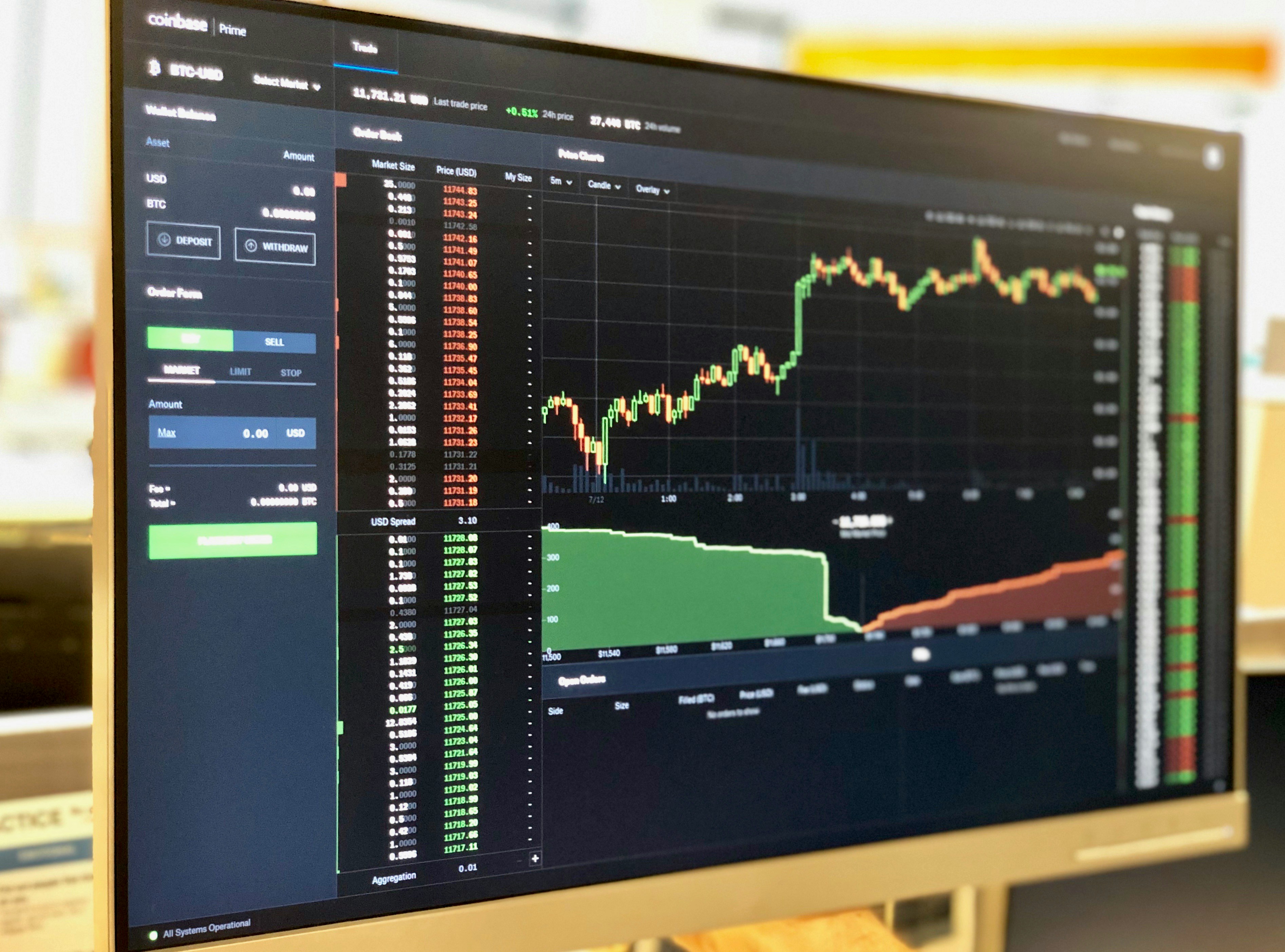
Overview of Last Friday’s Market Movements
Last Friday witnessed notable volatility in various currency pairs, primarily driven by a confluence of economic reports, geopolitical events, and shifting market sentiment. The forex market experienced fluctuations that not only affected major pairs like EUR/USD and GBP/USD but also lesser-known crosses. The opening position for these pairs indicated a strong reaction to the economic data released during the week, particularly from the U.S. and European regions.
One of the primary drivers was the announcement of the U.S. Non-Farm Payrolls (NFP) report, which showed a surprising increase in employment figures. This news bolstered the U.S. dollar, causing significant shifts against other currencies. The EUR/USD pair, for instance, opened lower as traders reacted to the potential tightening of monetary policies from the Federal Reserve. Additionally, rising inflation concerns prompted a robust flows towards the USD, a safe-haven currency during uncertain times.
Conversely, the GBP/USD experienced substantial movement as geopolitical tensions continued to create unease among investors. The ongoing developments regarding the UK’s trade negotiations impacted trading volume significantly. The pair faced downward pressure as traders speculated on potential impacts on the British economy, demonstrating how quickly market sentiment can shift in response to news.
Moreover, the AUD/USD also exhibited notable volatility, fueled by fluctuating commodity prices and market perceptions of China’s economic performance, which serves as a significant trading partner for Australia. As these events unfolded, the trading volume increased, reflecting heightened activity among traders seeking to capitalize on these market movements. Throughout the trading day, the dynamics of currency trading highlighted how interconnected global events can affect currency valuations dramatically.
Top Currency Pairs Affected
During last Friday’s trading session, several currency pairs exhibited significant movements, reflecting the dynamic landscape of the foreign exchange market. Among the pairs that demonstrated notable volatility, the GBP/USD stood out with a remarkable change of 1.5%. This fluctuation can be attributed to the latest economic data released in the UK, particularly the unexpected increase in inflation, which led to speculation regarding possible interest rate hikes by the Bank of England.
Another noteworthy pair was the EUR/USD, which experienced a decline of 1.2%. The decrease followed the European Central Bank’s (ECB) announcements concerning changes in monetary policy, which raised concerns about potential economic stagnation within the Eurozone. Analyzing this currency pair reveals a direct correlation between the ECB’s statements and market sentiment, impacting traders’ decisions and thereby influencing the exchange rate significantly.
The AUD/NZD also revealed notable activity, with a shift of 1.8% observed. This movement is closely linked to the growing tensions in the Asia-Pacific region, as geopolitical developments tend to influence the Australian and New Zealand currencies together. The distinct connection between these countries’ economies often leads to synchronized shifts in their currency pairs in response to external pressures.
Furthermore, the USD/JPY pair faced a drastic alteration, appreciating by 1.6%. The driving factor behind this spike was the recent adjustments in U.S. economic forecasts and the Bank of Japan’s continued stance on maintaining low interest rates despite increasing inflation. The interplay between these economic indicators significantly affected the USD/JPY dynamics, demonstrating how closely economic policies of the two nations impact their respective currencies.
In summary, the dramatic movements observed in these currency pairs last Friday were largely influenced by a combination of economic indicators and geopolitical events, underscoring the complex interplay that characterizes the foreign exchange market. Understanding these factors provides valuable insights into potential future movements and allows traders to navigate the market with greater awareness.
Technical Analysis and Market Sentiment
The examination of currency pairs that experienced significant fluctuations last Friday necessitates a comprehensive approach to technical analysis, which assists in predicting their potential movements for the upcoming Monday. Essential tools in this analysis include charts, moving averages, support and resistance levels, as well as various technical indicators that provide insights into possible price actions.
One fundamental aspect of technical analysis is the identification of support and resistance levels. Support levels represent price points where a currency pair tends to find buying interest, preventing further declines. Conversely, resistance levels indicate where selling pressure may emerge, hindering upward movement. For example, if a currency pair has previously bounced off a designated support level, traders may interpret this as a bullish signal. Historical price movements combined with tools such as Fibonacci retracement can also reveal critical levels to watch for potential reversals or continuations.
In addition to these levels, moving averages play a pivotal role in determining the trend direction and overall momentum. A commonly used approach is the analysis of the short-term versus long-term moving averages; for instance, a crossover of a short-term moving average above a long-term moving average could suggest a potential uptrend, signaling buy opportunities. Conversely, a downward crossover could imply a downtrend, encouraging selling behavior.
Furthermore, understanding market sentiment is crucial in interpreting trader behavior toward these currency pairs. Sentiment indicators, such as the Relative Strength Index (RSI) or the Moving Average Convergence Divergence (MACD), can offer insights into whether traders may be inclined to buy, sell, or hold positions. Analyzing recent trends alongside these technical indicators will provide a clearer picture of potential price movements heading into the new trading week, ultimately aiding in informed decision-making for traders navigating the forex market.
Predictions for Monday’s Trading Sessions
The currency market is known for its volatility, and last Friday was no exception. The movements observed across various currency pairs have provided valuable insights that can inform traders’ strategies for the upcoming Monday trading session. By analyzing the price action and indicators from Friday, we can project the likely direction for these pairs as the market opens.
Firstly, the EUR/USD pair, which experienced significant fluctuations, is expected to maintain a bullish trend on Monday. Indicators suggest that the buyers are likely to regain control, propelling the pair towards the 1.1200 resistance level. Traders might consider entering long positions, particularly if the price holds above the 1.1150 support level, signaling strength in this upward movement.
Conversely, the USD/JPY pair displayed a notable downtrend last Friday. With bearish sentiment dominating the market, it is anticipated that the USD/JPY may continue to decline, potentially testing the 145.00 support area. Traders should be vigilant for selling opportunities if the pair breaks below this level, confirming the prevailing downtrend.
For the GBP/USD, Friday’s session concluded with a strong bullish sentiment, suggesting a continuation of this trend into Monday. Expect the pair to target the 1.3000 mark, with breakouts possibly leading to further gains. A prudent strategy could involve setting stop-loss orders slightly below the 1.2900 support to manage risk while pursuing potential profits.
Finally, the AUD/USD, following a mixed performance on Friday, is predicted to consolidate around the 0.6750 level. Traders may want to adopt a wait-and-see approach, looking for signs of breakout in either direction before committing to buy or sell positions. Overall, the insights gained from Friday’s trading can provide a strategic advantage as traders enter Monday’s session, enhancing their decision-making and adaptability in the market.