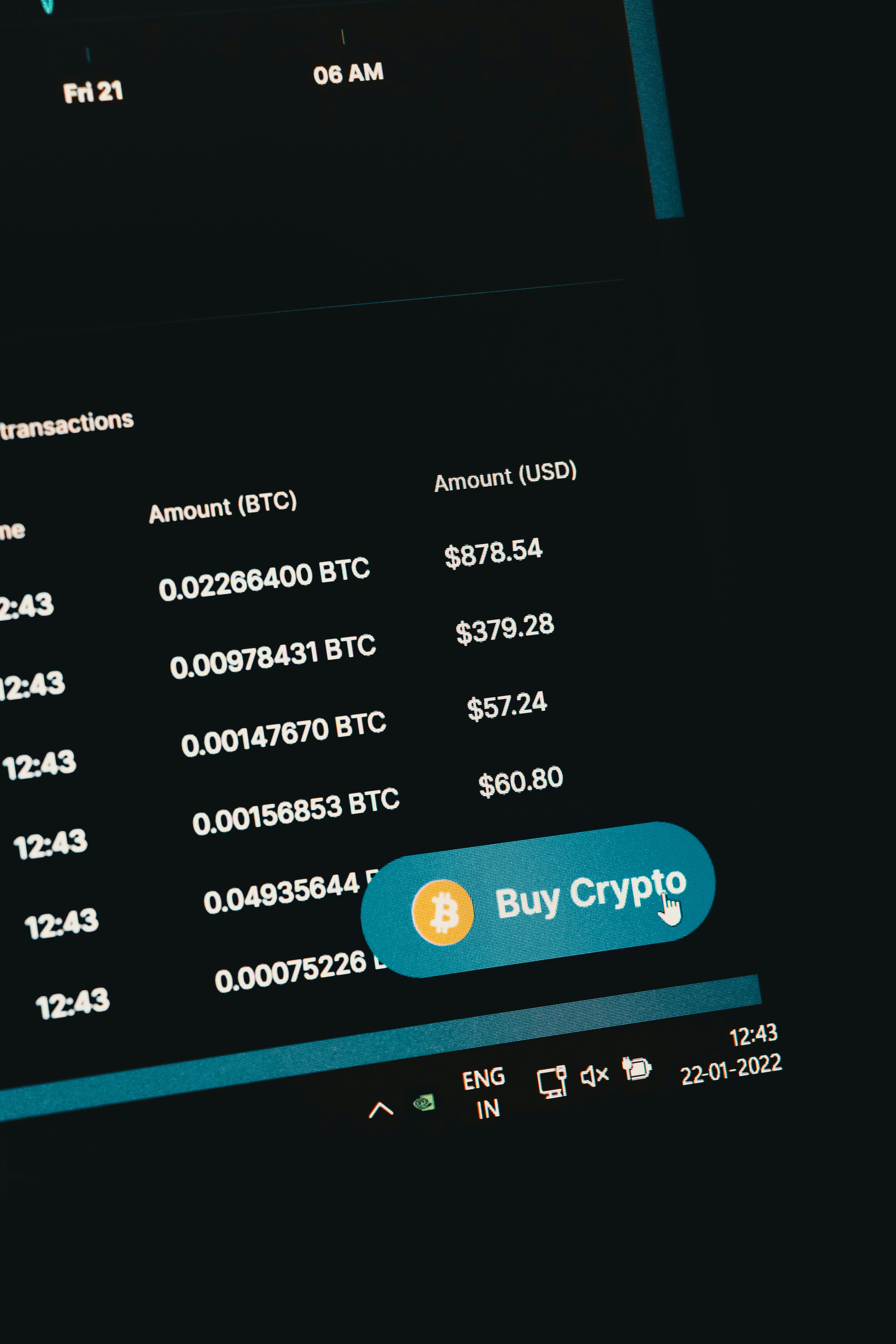
Market Overview and Price Trends
As of October 31, 2025, the cryptocurrency market has shown dynamic fluctuations, reflecting a complex interplay of various market forces. The market capitalization of all cryptocurrencies has reached approximately $2.5 trillion, illustrating both investor interest and volatility. Notably, Bitcoin, the frontrunner in the cryptocurrency space, has experienced a price surge of about 15% over the past month, now trading at around $65,000 per coin. This upward trend can largely be attributed to increased institutional adoption and positive regulatory developments in key global markets.
Ethereum has also shown promising performance, with prices climbing to approximately $4,500, marking an increase of 10% in the same timeframe. The growing popularity of decentralized finance (DeFi) and non-fungible tokens (NFTs) continues to bolster demand for Ethereum, as these sectors remain robust and expansive. Alternative coins have not lagged significantly, with projects like Solana and Cardano observing price increases of 8% and 12% respectively, driven by increased user engagement within their ecosystems.
External events, such as regulatory clarity from governments and central banks, have played a pivotal role in shaping market sentiment. For instance, positive news regarding the integration of cryptocurrency within traditional financial systems has encouraged investor confidence. Despite these gains, market volatility remains a concern, particularly as geopolitical tensions and economic uncertainties continue to loom large. Analysts project that the volatility may persist into the final quarter of the year, particularly as market participants react to evolving economic indicators and potential monetary policy changes.
In light of these observations, market expectations suggest a cautious optimism moving forward. Many investors are keenly watching for further integrations of cryptocurrency into mainstream finance, which could lead to sustained price stability or growth. Statistically, the average price movement of the top ten cryptocurrencies during this period indicates a collective growth of 12%, signaling a generally upward market trajectory despite inherent risks.
Regulatory Developments and Government Actions
As of October 31, 2025, the global landscape of cryptocurrency regulation has undergone significant transformation, with various governments implementing new laws and directives aimed at providing clearer frameworks for cryptocurrency operations. Countries worldwide have introduced comprehensive policies, attempting to balance innovation and consumer protection within the rapidly evolving crypto markets. Notably, the European Union’s Markets in Crypto-Assets (MiCA) regulation has gained traction, setting a precedent for member states to establish standards that govern the issuance and trading of digital assets.
Similarly, the United States has seen pivotal shifts, with several states enacting individual regulations that affect the broader industry. For instance, California has introduced stringent licensing requirements for cryptocurrency exchanges, focusing on consumer protection measures while ensuring a robust operational framework. These developments have sparked debates among industry participants, with some advocating for clear regulations as a means to enhance market legitimacy, while others caution against stifling innovation through excessive oversight.
Moreover, global regulatory bodies are becoming increasingly involved in the cryptocurrency ecosystem. The Financial Action Task Force (FATF) has continued its efforts to impose anti-money laundering (AML) standards on crypto entities, stressing the importance of ensuring compliance to thwart illicit activities. These actions have led to cooperation among nations to develop uniform oversight mechanisms, which may pave the way for more secure and trustworthy crypto environments.
The reception of these regulatory measures among stakeholders has been mixed. While many institutional investors view structured regulations as beneficial, providing a clearer operational context, smaller firms often express concerns regarding the potential bureaucratic overhead and compliance costs. The ongoing evolution of regulations is likely to significantly influence future developments in cryptocurrency trading, investment, and adoption, highlighting the importance of pertinent international collaboration.
Technological Advancements in Blockchain and DeFi
As of October 31, 2025, the blockchain landscape has witnessed significant technological advancements that have further propelled the evolution of decentralized finance (DeFi) and enhanced the overall functionality of blockchain networks. One of the most prominent trends shaping the future of these technologies is the development of Layer 2 solutions, which are designed to improve scalability without compromising security. By enabling transactions to occur off the main blockchain and subsequently settling them, Layer 2 platforms, such as Optimistic Rollups and zk-Rollups, allow for faster transaction speeds and lower fees, which are crucial for the widespread adoption of DeFi protocols.
Moreover, the integration of zero-knowledge proofs has emerged as a revolutionary advancement, offering a new level of privacy in blockchain transactions. This cryptographic principle allows users to verify transactions without revealing sensitive information, addressing many concerns around privacy in the digital finance space. The implementation of zero-knowledge technology has significant implications for DeFi, as it ensures user anonymity while maintaining transparency on the blockchain.
Artificial Intelligence (AI) is also beginning to play an integral role in the evolution of crypto applications. Various projects are leveraging AI-driven tools for enhanced risk assessment, fraud detection, and automated trading strategies. By incorporating machine learning algorithms, these innovations are optimizing user experiences and improving security mechanisms within the blockchain ecosystem. Furthermore, numerous new DeFi platforms have gained prominence, enabling novel financial products such as flash loans, yield farming, and decentralized insurance. These developments signify a shift in traditional finance, challenging conventional banking systems and providing users with a more inclusive and diverse financial landscape.
In conclusion, the recent technological innovations within blockchain and DeFi demonstrate an unwavering progression towards enhancing security, scalability, and interoperability, while redefining financial systems as we know them.
Community Reactions and Future Predictions
As the crypto landscape continues to evolve, the reactions from the community in response to significant developments in the industry have been fervent. On October 31, 2025, discussions across various social media platforms highlighted a mixture of optimism and skepticism among investors and enthusiasts alike. Prominent figures within the cryptocurrency sector took to Twitter and other forums to express their viewpoints, reflecting a diverse range of opinions. Some industry leaders lauded recent advancements, suggesting a positive trajectory for digital assets. Others, however, cautioned about potential pitfalls, advocating for a more cautious approach amidst volatility.
The sentiment among investors appears to be a balancing act between exuberance for innovation and wariness of market fluctuations. Concerns about regulatory changes and their implications for market stability have prompted many investors to reconsider their strategies. Furthermore, online surveys and polls have shown a rise in non-institutional investor interest, underscoring a growing grassroots engagement. This shift indicates a significant demographic is now participating in the crypto market, one that is eager to capitalize on emerging trends.
Looking ahead, analysts and influencers are making predictions regarding the direction of the cryptocurrency market. There is a consensus that significant bullish trends may emerge in the coming months, driven by increased adoption and institutional interest. However, experts also caution about the risks associated with high volatility and potential regulatory actions. The outlook for altcoins seems promising, with specific projects expected to gain traction based on technological advancements and community support. In conclusion, while there exists a blend of anticipation and caution within the cryptocurrency community, an informed and strategic approach will be essential for navigating future developments in this dynamic market.