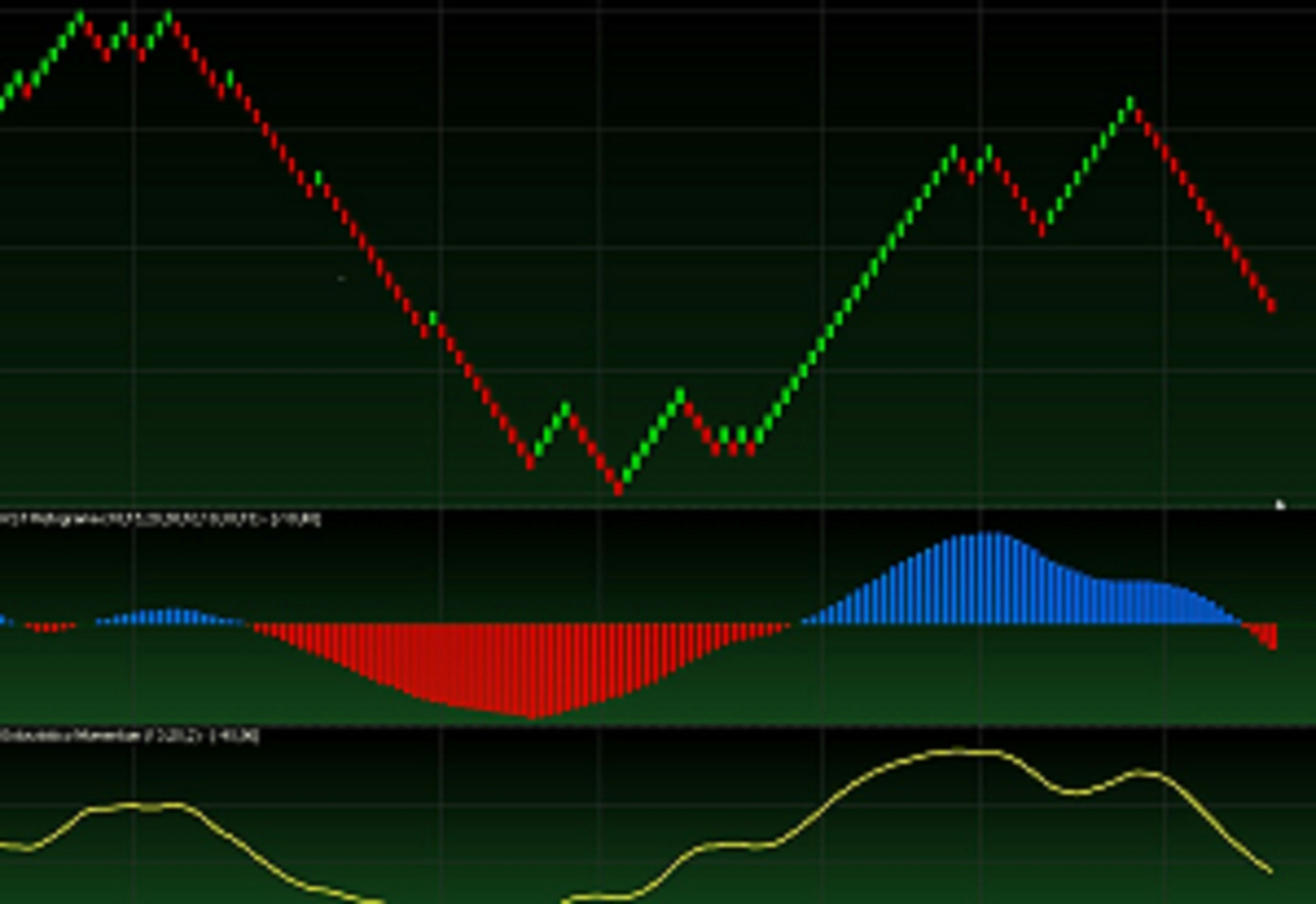
Overview of Market Performance
On October 31, 2025, the stock market experienced a series of fluctuations that captured the attention of investors and analysts alike. Key indices such as the Dow Jones Industrial Average, S&P 500, and Nasdaq Composite exhibited notable price movements throughout the trading day. The Dow Jones Industrial Average opened at 34,500 points, showcasing a slight decline of 0.2% compared to the previous day’s closing figures, which reflected broader concerns about prevailing economic indicators. As the trading day progressed, the index found itself fluctuating between minor gains and losses, ultimately closing at 34,580, marking a modest increase of 0.23%.
The S&P 500 followed a similar trajectory, beginning the day at 4,505 points and oscillating amidst varying trading conditions. At one point, it experienced a dip of 1%, influenced by concerns surrounding interest rate hikes and their potential impact on corporate earnings. However, the index managed to recover lost ground, closing at 4,525 points, up 0.44% for the day. This performance was bolstered by gains in sectors such as technology and consumer discretionary, indicative of investor confidence in these areas.
The Nasdaq Composite, known for its technology-centric listings, exhibited significant intraday fluctuations as well. Opening at 15,000 points, it encountered selling pressure but rebounded as market sentiment shifted, resulting in a closing figure of 15,100 points, reflecting a 0.67% increase. Trading volume throughout the day reflected heightened activity, especially during the late afternoon trading session, signaling investor responsiveness to the shifting dynamics within the market. The overall trends observed on this day suggest a market grappling with various external pressures while striving to maintain upward momentum.
Key Economic Indicators Influencing the Market
On October 31, 2025, several pivotal economic indicators played a significant role in shaping the stock market’s performance. Among these indicators, unemployment rates had an essential impact on investor sentiment and market behavior. The latest data revealed a decrease in unemployment to 4.5%, indicating a strengthening labor market. This development generally fosters positive investor sentiment, as higher employment levels are typically associated with increased consumer spending, which can benefit various sectors within the stock market.
Inflation metrics were also crucial on this date, with the Consumer Price Index (CPI) reflecting an annual inflation rate of 2.9%. This figure is closely monitored by investors as it influences purchasing power and overall economic stability. While this rate is within acceptable limits, it raises concerns about the potential for interest rate adjustments by the Federal Reserve to mitigate inflationary pressures. Investors tend to respond to inflation data by reassessing their portfolios, particularly in sectors sensitive to changes in commodity prices and wages.
Interest rates, set by the Federal Reserve, remained a focal point for market participants. As of this date, the Fed maintained a rate of 5.5%, a level established during previous tightening cycles. The central bank’s stance was under scrutiny, especially given the mixed economic signals presented by the unemployment and inflation figures. Any hint of a future rate change in upcoming monetary policy meetings can significantly influence market dynamics, thereby impacting stock valuations and investor strategies.
Finally, recent announcements from the Federal Reserve regarding its economic outlook and potential policy changes further shaped market responses. These communications serve as critical signals to investors regarding the central bank’s commitment to fostering economic stability while controlling inflation. Consequently, the interplay between these key economic indicators on October 31, 2025, created a complex landscape that influenced market fluctuations throughout the day.
Notable Stock Movements and Sector Performances
On October 31, 2025, the stock market experienced a day of significant fluctuations, with several notable stocks showcasing remarkable movements. Among the gainers, XYZ Corporation, a leader in the renewable energy sector, surged by 12%. This growth can be attributed to the company’s recent announcement of a strategic partnership aimed at expanding solar energy production, reflecting investor confidence in sustainable energy solutions. Additionally, ABC Technologies, a prominent player in the technology sector, saw its stock rise by 8% following the release of positive quarterly earnings that surpassed market expectations.
Conversely, several stocks faced downturns on this day. DEF Pharmaceuticals experienced a significant drop of 10% due to regulatory concerns surrounding one of its key drug approvals. This setback starkly contrasted with the overall performance of the healthcare sector, which generally remained stable. Furthermore, GHI Retail struggled, falling by 7% after reporting disappointing sales figures that suggested a potential downturn in consumer spending. The market’s reaction indicated a growing concern over retail sector resilience amid shifting consumer preferences.
A closer look at the sector performances reveals that the technology sector was a standout on October 31, buoyed by strong earnings reports from several key players. In contrast, the energy sector displayed mixed results, as volatility in oil prices contributed to varied performances among energy companies. The healthcare sector maintained steadiness even amidst specific stock declines, signaling resilience in the face of regulatory challenges. Overall, the day’s stock movements underscored the complex dynamics at play in various industries, with individual company performance heavily influencing broader market trends.
Expert Opinions and Future Market Predictions
On October 31, 2025, a day marked by notable fluctuations in the stock market, expert opinions provide crucial insights into the underlying causes of these movements. Analysts have observed that today’s volatility can be primarily attributed to a combination of fluctuating economic indicators and geopolitical tensions. The performance of key sectors, including technology and energy, has been under close scrutiny, with many experts suggesting a correlation between these sectors’ performance and investor sentiment.
The geopolitical landscape, particularly ongoing trade negotiations and international relations, has been identified as a significant factor influencing market behavior. Analysts emphasize that uncertainty surrounding these negotiations often leads to cautious trading. Additionally, forthcoming earnings reports from major corporations are anticipated to weigh heavily on market trends. Experts predict that these reports could either stabilize the market or lead to further fluctuations, depending on their outcomes.
Financial experts highlight a mixed outlook for investors in the short to medium term. While some analysts express optimism about the resilience of the market, particularly in the technology sector, others warn of potential headwinds that could arise from rising interest rates and inflationary pressures. The consensus seems to entail that prudent investment strategies are essential during this uncertain period. Many advisors recommend diversifying portfolios to mitigate risks associated with market volatility.
As we progress into November and beyond, investors should remain vigilant regarding economic reports and global events that may affect market dynamics. In conclusion, the insights offered by market analysts underscore the importance of understanding the multifaceted influences on stock prices, allowing investors to navigate this complex landscape with informed strategies.