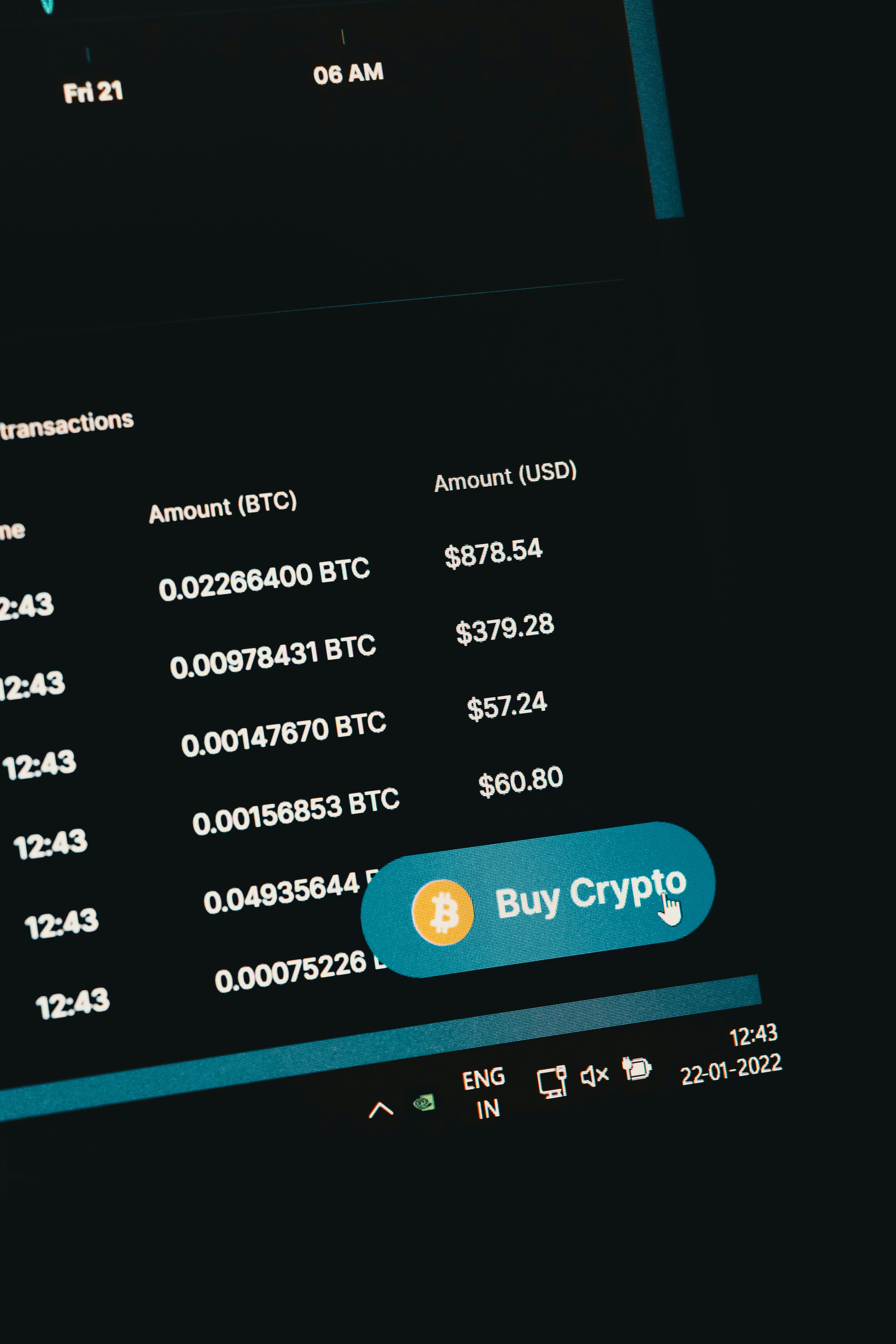
Market Overview and Key Trends
The cryptocurrency market has experienced significant fluctuations in recent months, reflecting broader economic conditions and investor sentiment. As of late 2023, Bitcoin continues to dominate the market, maintaining a market capitalization that frequently surpasses $500 billion. This leading cryptocurrency has seen increased volatility, with prices experiencing peaks as high as $70,000 before retracting to between $45,000 and $50,000 in recent weeks. Ethereum, the second-largest cryptocurrency, has also showcased robust performance, bolstered by its evolving use cases in decentralized finance (DeFi) and non-fungible tokens (NFTs). Currently priced around $3,000, Ethereum’s market cap remains a vital indicator of overall market health.
Among altcoins, notable movements have been observed. Cardano and Solana have gained traction, driven by enhancements in their respective ecosystems, attracting both retail and institutional investors. These cryptocurrencies have seen substantial price increases due to their unique technological advancements and growing adoption, indicating a shift in market dynamics toward projects that promise real-world utility and strong development communities.
Global events have invariably influenced market performance. Recent regulatory changes in major markets like the United States and European Union have prompted a cautious approach among traders, leading to increased scrutiny of crypto exchanges and ICOs. Additionally, macroeconomic factors such as inflationary pressures and interest rate adjustments by central banks have further complicated the crypto landscape. Investors are now weighing these conditions against the potential for long-term gains in various digital assets.
Overall, the cryptocurrency market remains highly dynamic, shaped by technological innovations, market movements, and continuous global developments. As we approach 2025, it’s crucial for investors to stay informed about emerging trends, regulatory changes, and the performance of both major cryptocurrencies and promising altcoins to navigate this volatile environment effectively.
Regulatory Updates and Compliance
The cryptocurrency industry continues to undergo significant scrutiny from regulators around the globe, in light of its rapid expansion and the increasing involvement of institutional investors. Governments are increasingly considering frameworks to govern the operations of digital asset platforms. Notably, the European Union’s Markets in Crypto-Assets (MiCA) regulation is garnering attention for its potential to standardize the rules for companies dealing in cryptocurrencies and to enhance investor protection. Presented in late 2022, these regulations are expected to be implemented in 2024, directing how firms must operate within the member states.
In the United States, the regulatory landscape has become more complex, with agencies such as the Securities and Exchange Commission (SEC) and the Commodity Futures Trading Commission (CFTC) vying for jurisdiction over various aspects of crypto trading. A recent proposal by the SEC aims to classify several cryptocurrencies as securities. If enacted, this regulatory clarity could influence how investors and companies approach the asset class, possibly encouraging or discouraging participation depending on the compliance requirements imposed.
Moreover, the relationship between regulators and digital asset platforms is a focal point of discussion among industry stakeholders. A harmonious interaction is crucial for fostering innovation while ensuring investor safety. However, many platforms encounter compliance challenges due to the unclear guidelines and varying regulations across jurisdictions. For instance, know-your-customer (KYC) and anti-money laundering (AML) regulations are increasingly essential as regulators push for measures that protect against illicit financial flows. This evolving legal landscape necessitates continuous adaptation from crypto firms to align with emerging rules and ensure legal adherence.
Overall, the push for comprehensive regulatory frameworks reveals regulators’ intentions to integrate cryptocurrencies into the broader financial system while preserving market integrity. As these updates unfold, the industry’s future hinges on how well companies can navigate this dynamic legal environment.
Technological Advancements in Crypto
The cryptocurrency landscape is currently witnessing a surge of technological innovations that are reshaping its future. One of the most significant developments is the introduction of next-generation blockchain technologies, which are designed to enhance scalability, security, and transaction speed. For instance, the emergence of Layer 2 solutions, such as Optimistic Rollups and zk-Rollups, allows networks like Ethereum to process transactions more efficiently without compromising decentralization. These enhancements are crucial for accommodating the growing number of users and applications in the cryptocurrency sector, ensuring that platforms can support high volumes of transactions while maintaining low fees.
In addition to advancements in blockchain technology, security protocols are evolving to safeguard transactions and user wallets. Enhanced cryptographic techniques, such as quantum-resistant algorithms, are being explored to counter potential threats posed by quantum computing, ensuring the longevity and security of digital assets. Moreover, improvements in multi-signature wallets and hardware security modules strengthen the protection of private keys, further securing users’ investments against hacking attempts.
The rise of decentralized finance (DeFi) has also been a game-changer in the crypto arena. Decentralized exchanges, lending platforms, and yield farming initiatives are flourishing, providing users with unprecedented access to financial services without traditional intermediaries. Projects like Aave and Uniswap exemplify this shift, enabling peer-to-peer transactions and allowing users to earn interest on their digital assets. Additionally, the boom in non-fungible tokens (NFTs) showcases unique digital ownership, with applications ranging from digital art to gaming collectibles. Platforms such as OpenSea and Rarible have democratized access to these assets, allowing creators and collectors to engage in new and innovative ways.
As the cryptocurrency ecosystem continues to evolve, these technological advancements not only enhance user experience but also pave the way for broader adoption and integration of cryptocurrencies in daily life.
Community Insights and Expert Opinions
The current landscape of the cryptocurrency market presents a rich tapestry of perspectives, ranging from seasoned analysts to everyday enthusiasts. Experts across the financial sector have expressed their insights regarding the anticipated trajectory of cryptocurrencies leading into 2025. For instance, Jane Doe, a renowned crypto analyst from Blockchain Consulting Group, remarked that “the evolving regulatory frameworks around cryptocurrencies will significantly shape market stability and investor confidence in the years to come.” This highlights the critical role that regulation will play in determining the future dynamics of the market.
Furthermore, influential figures in the crypto space, such as John Smith, CEO of Innovative Fintech, suggest that “technology advancements, particularly in blockchain scalability and security, will create more robust investment opportunities.” These advancements are expected to bolster major cryptocurrencies and could lead to a more inclusive ecosystem that attracts traditional investors alongside crypto purists.
The community sentiment also mirrors these expert evaluations. Online forums and social media platforms have been buzzing with discussions about the latest trends and the potential impact of upcoming regulations on market behavior. Many users express cautious optimism, noting that while past volatility remains a concern, the long-term potential of cryptocurrencies as a legitimate asset class cannot be overlooked. User insights from platforms like Reddit and Twitter indicate a growing interest in decentralized finance (DeFi) solutions and non-fungible tokens (NFTs), with many believing that these sectors represent the future of cryptography.
As we assess both expert forecasts and community reactions, it becomes evident that while uncertainties lie ahead, there is a general consensus that the crypto market is poised for significant growth and evolution by 2025. This dual perspective reinforces the notion that collaboration between key figures and everyday participants is crucial for navigating the complexities of the digital currency domain.