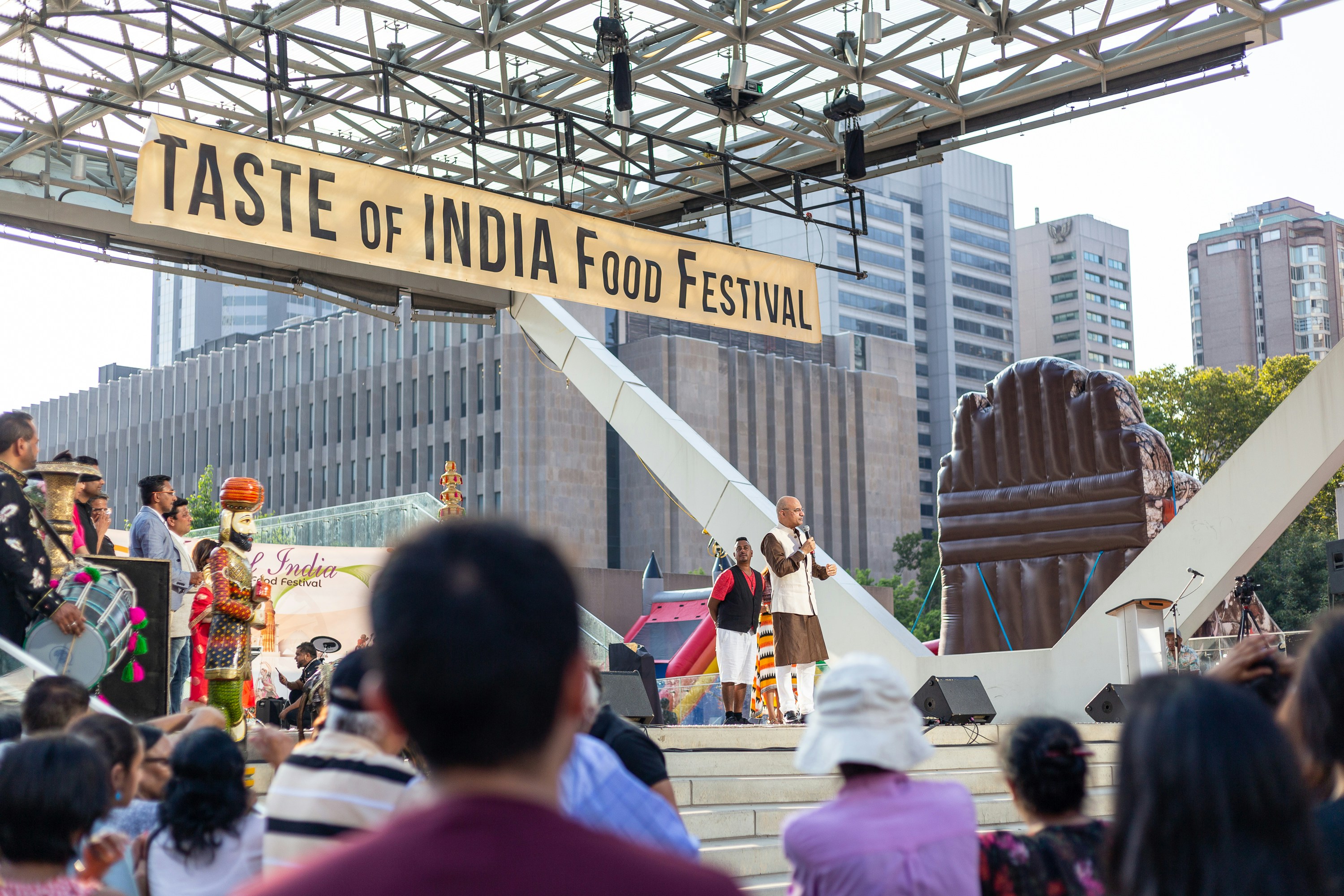
The Evolution of Festivals: A Historical Overview
Festivals have served as an integral part of human culture for centuries, providing individuals and communities with opportunities to celebrate significant events, honor deities, and strengthen social bonds. The historical roots of festivals can be traced back to ancient civilizations, where seasonal changes and agricultural cycles dictated celebrations. For instance, harvest festivals were prevalent among agrarian societies, allowing communities to express gratitude for their sustenance and share in communal feasting.
Throughout history, festivals have taken on new meanings and significance. In ancient Rome, the Saturnalia festival exemplified a time of role reversal and social equality, during which the norms of daily life were temporarily suspended to foster a spirit of camaraderie and joy. Similarly, the Day of the Dead in Mexico reflects a deep cultural reverence for ancestors, transforming the somber act of remembering into a vibrant celebration filled with color, food, and music. Such examples underscore how festivals can embody the values and beliefs of the societies in which they originate.
As globalization has further intertwined various cultures, many festivals have evolved to reflect a blend of traditions and modern influences. While some festivals retain their historical authenticity, others face the dilemma of adapting to contemporary societal changes. This has led to the emergence of hybrid festivals, where traditional activities intermingle with global practices, exemplified by events like the Holi Festival in India gaining international recognition and participation.
In conclusion, the evolution of festivals showcases the dynamic interplay between history and modernity, illustrating their significance in preserving cultural heritage while adapting to the complexities of a globalized world. As communities navigate this balancing act, they continue to celebrate their unique identities, fostering connections that resonate across boundaries.
Top Festivals of 2023: What to Look Forward To
As the world slowly emerges from the shadows of recent global challenges, the festival scene in 2023 promises a vibrant and diverse array of events celebrating culture, music, arts, and community. Here is a curated list of some of the most anticipated festivals that attendees can look forward to this year.
The first on the list is the renowned Coachella Valley Music and Arts Festival which will take place in Indio, California, from April 14 to 23. Known for its eclectic mix of music genres and stunning art installations, Coachella consistently attracts top-tier performers and eager festival-goers from around the world. Previous attendees have described the experience as nothing short of transformative, with the festival’s energy being palpable in every act.
In a celebration of culinary delights, The Melbourne Food and Wine Festival will be hosting its 31st edition from March 24 to April 9. This iconic event showcases the city’s culinary scene, featuring renowned chefs and exquisite tastings. With a particular focus this year on sustainability, the festival embodies a commitment to local produce and responsible dining.
Additionally, the Edinburgh Festival Fringe, taking place from August 4 to 28, offers a vast range of performances including theater, comedy, and music. It is the largest arts festival in the world and presents a platform for both established and emerging artists. Interviews with past participants highlight the festival’s inclusive atmosphere, likely to enrich the cultural landscape of Edinburgh.
For those unable to attend in person, many festivals, including the Burning Man festival in Nevada, are offering virtual experiences, blending traditional celebrations with innovative technology. This hybrid model allows for broader participation and reflects a shift towards inclusivity in event planning.
These festivals represent just a snapshot of what 2023 has to offer. With their unique features and cultural significance, attendees can expect memorable experiences that celebrate the spirit of community and creativity across the globe.
Sustainable Practices in Modern Festivals
In recent years, the festival industry has increasingly recognized the significance of sustainability, leading to a surge in eco-conscious practices. As festivals draw large crowds, the environmental impact during such events is considerable. In response, many organizers have implemented innovative initiatives aimed at reducing waste and promoting sustainability, thereby enhancing the overall experience for festival-goers.
One of the primary strategies employed by festivals is waste reduction. Many events now prioritize “zero waste” goals, encouraging attendees to recycle and compost. For instance, festivals often provide well-marked waste separation stations, making it easier for participants to dispose of their items responsibly. Additionally, some festivals have adopted digital ticketing and marketing to minimize paper usage, aligning their operations with sustainable practices.
Eco-friendly transportation options play a crucial role in modern festivals as well. Incentives for carpooling, shuttle services using electric vehicles, or partnering with public transport systems help reduce the carbon footprint associated with travel to and from these events. For example, some festivals give discounts on admission for attendees who arrive via sustainable means, promoting environmentally friendly commuting.
Local sourcing of food and materials represents another essential facet of sustainability in festivals. Local vendors not only support the local economy but also reduce transportation emissions associated with food and supply delivery. Festivals are increasingly showcasing locally sourced cuisine, which can enrich consumer experiences while also promoting regional agricultural practices.
Successful case studies highlight the positive outcomes of these sustainable initiatives. Events like the Green Man Festival in Wales and the Shambhala Music Festival in Canada have become renowned for their environmental practices, serving as models for others in the industry. They demonstrate that integrating sustainability can lead to improved festival-goer experiences and greater community engagement.
Attendees also have a role to play in ensuring sustainable practices prevail at festivals. Simple steps, such as bringing reusable water bottles, opting for eco-friendly products, and choosing public transport can significantly minimize one’s ecological footprint during these events. By adopting responsible behaviors, festival-goers can contribute to a more sustainable future for the festival industry.
Festival Culture: Community and Connection
Festivals have long been a cornerstone of human societies, serving as vibrant gatherings that promote community bonding and cultural exchange. At their core, festivals are about bringing people together, allowing individuals from diverse backgrounds to connect through shared experiences. These events foster a unique sense of belonging, where attendees unite to celebrate tradition, art, music, and food, transcending cultural boundaries.
One significant social impact of festivals is their ability to forge connections and friendships among attendees. For many, the festival environment becomes a backdrop for forming lasting relationships. Personal anecdotes abound; individuals recount the warmth and camaraderie felt while sharing a meal at a local harvest festival or dancing together at a music event. These experiences highlight the profound ability of festivals to create networks of support and friendship, ultimately reinforcing community ties.
Psychologically, the benefits of participating in festive events are substantial. Festivals provide relief from feelings of isolation that many individuals face in their daily lives. Engaging in celebration can rejuvenate the spirit, providing a sense of happiness and belonging. Whether through the joy of travel or the thrill of local festivities, attendees report enhanced well-being as they immerse themselves in communal activities. The simple act of coming together for a common purpose nurtures emotional health and stability.
Additionally, festivals serve as essential platforms for cultural exchange. They introduce attendees to new traditions and practices, encouraging appreciation and understanding among diverse communities. By engaging in cultural narratives, participants often experience personal growth and an expanded worldview. This connection enhances coexistence and enriches individual lives, ultimately contributing to a more cohesive society.