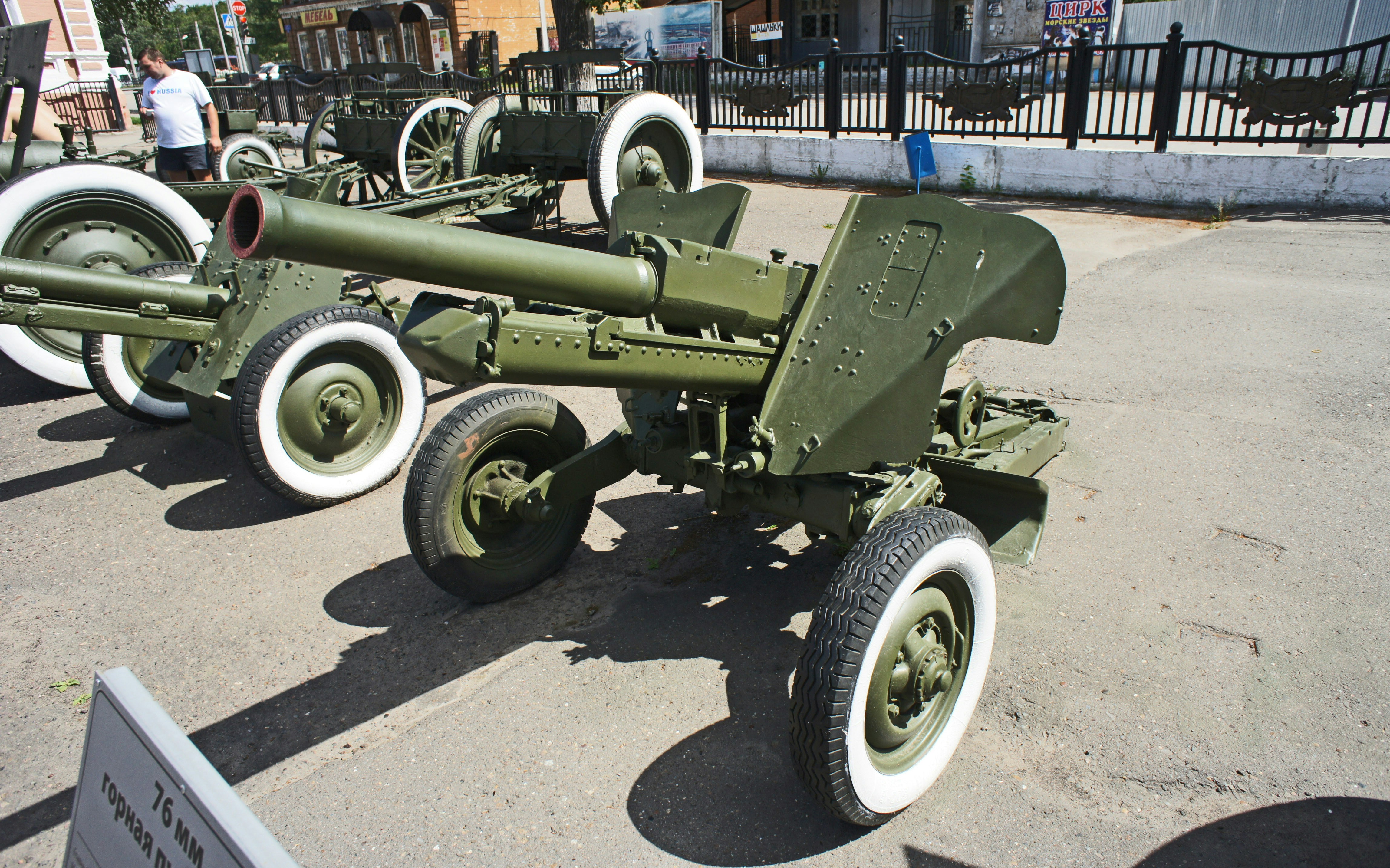
Overview of Artillery and Army Weapons in 2014
In 2014, the landscape of artillery and army weaponry was characterized by a blend of traditional systems and the early integration of modern technological advancements. The global military strategies during this period were primarily influenced by ongoing conflicts and geopolitical tensions, particularly in regions such as the Middle East and Eastern Europe. The need for effective response mechanisms had become increasingly pronounced, propelling nations to enhance their defense capabilities.
Artillery systems prevalent in 2014 included conventional howitzers like the M777 and the PzH 2000, which were renowned for their range, accuracy, and mobility. These artillery pieces were developed by leading manufacturers such as BAE Systems and Krauss-Maffei Wegmann. Additionally, the introduction of precision-guided munitions marked a significant shift in how artillery could be deployed, enabling forces to engage targets with a level of accuracy previously unattainable.
On the small arms front, the conventional infantry continued to rely on automatic rifles such as the M4 Carbine used by U.S. forces and the AK-74, widely utilized across various nations. The proliferation of advanced materials and manufacturing methods had begun influencing the design of these firearms, making them lighter and more effective.
Furthermore, the geopolitical climate was marked by events such as the annexation of Crimea by Russia, which led to an increased emphasis on military readiness among NATO allies. This context necessitated a reevaluation of existing strategies and arsenal capabilities. As a consequence, military organizations started to invest in research and development for new weapon systems to address evolving threats. This year, seen as pivotal, laid the groundwork for subsequent advancements in artillery and army weapon technologies leading into 2023.
Major Developments in Artillery and Weaponry (2014-2020)
From 2014 to 2020, the field of artillery and army weaponry underwent transformative changes, driven by technological advancements and the evolving nature of warfare. One notable development during this period was the introduction of smart artillery systems, which incorporated advanced targeting technology and automation. Systems such as the M777 howitzer and the Russian 2S35 Koalitsiya-SV exemplified this trend, enabling forces to achieve greater accuracy and efficiency on the battlefield.
Another significant advancement in military technology was the evolution of precision-guided munitions (PGMs). The capability to strike targets with pinpoint accuracy minimized collateral damage and increased the effectiveness of military operations. Countries like the United States and Israel have pioneered advancements in PGMs, employing satellite-guided weapons that enhance target acquisition and strike reliability. This focus on precision has become critical in modern combat scenarios that require surgical strikes against high-value targets.
The rise of unmanned systems also marked a significant turning point in military capabilities. Drones, or unmanned aerial vehicles (UAVs), became integral to reconnaissance and targeting operations. Nations such as China have invested heavily in drone technology, leading to the deployment of systems that can carry out strikes without risking human lives. Unmanned ground vehicles (UGVs) also emerged, providing additional support for infantry units and reducing their exposure to direct combat.
Investments in military technology during this period were facilitated by advancements in materials science, which resulted in lighter and stronger materials, enhancing weapon designs and delivery methods. Overall, the years 2014 to 2020 witnessed a paradigm shift in military capabilities, with countries such as the United States, Russia, and China at the forefront of these developments. This evolution in artillery and weaponry not only altered traditional combat strategies but also set the stage for new military doctrines globally.
Technological Innovations and Trends (2021-2023)
Between 2021 and 2023, the field of artillery and army weapons has experienced considerable transformation driven by groundbreaking technological innovations. Advanced targeting systems, for instance, have significantly improved accuracy and efficiency on the battlefield. These systems leverage real-time data analysis, enhanced sensors, and sophisticated algorithms that enable military forces to optimize their firepower and respond rapidly to changing combat scenarios.
One of the pivotal advancements during this period has been the rise of drone warfare. Unmanned aerial vehicles (UAVs) have become invaluable assets for reconnaissance and strike operations. Their ability to gather intelligence without risking personnel has revolutionized military tactics, allowing commanders to conduct operations with unprecedented precision while minimizing casualties. The integration of drones into artillery units exemplifies how emerging technologies are reshaping traditional military strategies.
Moreover, the incorporation of cyber capabilities cannot be overlooked in this discussion. The growing dependence on digital networks has prompted military organizations to invest in offensive and defensive cyber operations. By doing so, they enhance their ability to protect sensitive data while simultaneously probing adversaries’ networks for vulnerabilities, thus providing tactical advantages in modern warfare.
The integration of artificial intelligence in weapon systems is another notable trend. AI algorithms are being utilized for various purposes, including target recognition, threat assessment, and predictive analytics. These advancements enable armies to enhance operational effectiveness and responsiveness in dynamic environments.
Furthermore, modular weapon systems have gained traction, allowing for greater flexibility in armament. These systems can be easily configured for diverse missions, adapting to constantly evolving battlefield requirements. Energy-based weapons, including lasers and high-power microwave systems, are also garnering attention as viable future alternatives to traditional munitions, providing options for precision targeting with lesser collateral damage.
Lastly, the advent of 3D printing technology in military applications allows for the rapid production of spare parts and even entire systems on demand. This capability not only reduces logistical challenges but also fosters innovation in weapon design and manufacturing processes. Collectively, these technological advancements indicate a substantial shift in future warfare strategies, emphasizing a blend of lethality, precision, and adaptability.
The Future of Artillery and Army Weapons
The future of artillery and army weapons beyond 2023 is poised to be shaped by a number of critical factors, including technological advancements, evolving military doctrines, and the shifting landscape of global security challenges. As nations confront increasingly complex threats, the innovation in weaponry is likely to accelerate, fostering the development of systems that are not only advanced but also adaptable to diverse combat environments.
One of the primary technological advancements expected is the increased integration of artificial intelligence (AI) and machine learning in military operations. This could lead to artillery systems that can autonomously analyze and engage targets with greater precision, reducing the risk of human error. Moreover, the potential for enhanced connectivity through the Internet of Things (IoT) may enable seamless communication among different platforms, thereby improving battlefield coordination and response times.
The evolving military doctrines will also play a crucial role in defining future weapons systems. As hybrid warfare becomes more prevalent, there is a pressing need for versatile artillery that can address both conventional and unconventional threats. This evolution will likely lead to more modular systems that can rapidly adapt to various operational requirements, allowing militaries to efficiently allocate resources based on the nature of the conflict.
In addition to these advancements, the global security environment will demand stricter adherence to international arms control treaties. As countries develop more sophisticated weapons, ethical considerations concerning the implications of such technologies will rise to the forefront. There will be ongoing discussions about the limitations and regulations governing the use of advanced systems like autonomous drones or directed-energy weapons.
In conclusion, the future landscape of artillery and army weapons will reflect a complex interplay of technology, military strategy, and ethical considerations, necessitating careful navigation to ensure they contribute positively to global security and stability.